The Government of Ghana is scaling up efforts to boost vegetable production through the construction of 25 modern solar-powered boreholes in selected districts across the five northern regions.
The initiative is being carried out under the Greater Rural Opportunities for Women 2 (GROW2) Project, with funding support from Global Affairs Canada and implementation by Mennonite Economic Development Associates (MEDA) in collaboration with the Ministry of Food and Agriculture (MoFA).
With an investment of approximately GH¢8 million, the project is expected to benefit women in more than 3,000 Village Savings and Loans Associations (VSLAs) within the beneficiary communities. The initiative seeks to provide reliable and sustainable water supply systems for year-round vegetable production, improve agricultural productivity, and strengthen household incomes.
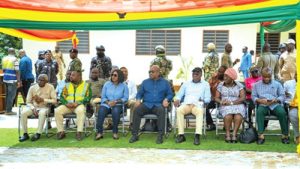
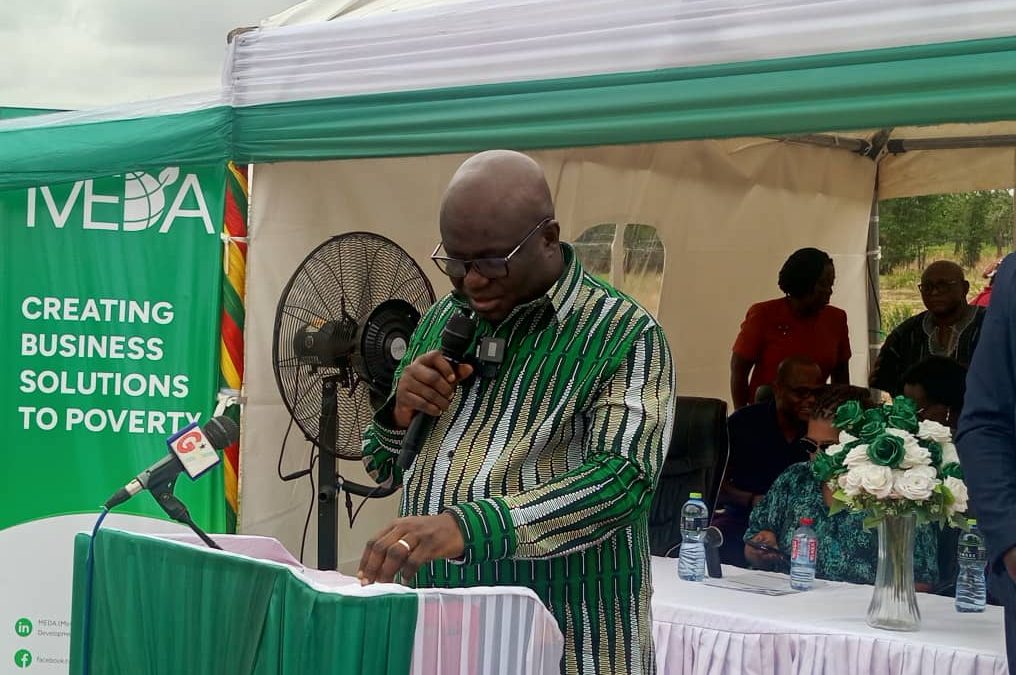
Speaking at the symbolic inauguration ceremony held at Moglaa in the Northern Region, the Minister for Food and Agriculture, Hon. Eric Opoku, described the project as a strategic intervention aimed at transforming dry-season farming and improving irrigation access across the Northern, Upper West and Savannah regions.
According to the Minister, inconsistent rainfall patterns and inadequate access to water sources have over the years constrained agricultural productivity and contributed to seasonal unemployment among farmers in northern Ghana.
He noted that the solar-powered boreholes would provide an environmentally sustainable source of irrigation water, enabling farmers, particularly women to cultivate vegetables throughout the year rather than depending solely on the rainy season.
Hon. Opoku further indicated that the initiative forms part of broader government efforts to modernise agriculture, strengthen food security, increase farmers’ incomes and reduce poverty, especially in underserved communities.
He emphasized that the intervention would position northern Ghana as a major hub for year-round vegetable production and contribute significantly to the country’s agricultural transformation agenda.
The Canadian High Commissioner to Ghana, Madam Myriam Montrat, said the inauguration represented more than the commissioning of infrastructure, describing it as a symbol of opportunity, resilience and strong international partnership.
She commended MEDA and the implementing partners for their commitment, adaptability and community-centered approach in supporting women farmers and rural livelihoods.
The Northern Regional Minister, Hon. Ali Adolf John Mburidiba, also described the solar-powered irrigation systems as transformative interventions that would harness renewable energy to support sustainable agriculture in the region.
He noted that the facilities would enable women farmers in communities such as Moglaa to engage in all-year-round vegetable cultivation, particularly during the dry season, thereby improving food production and household incomes.