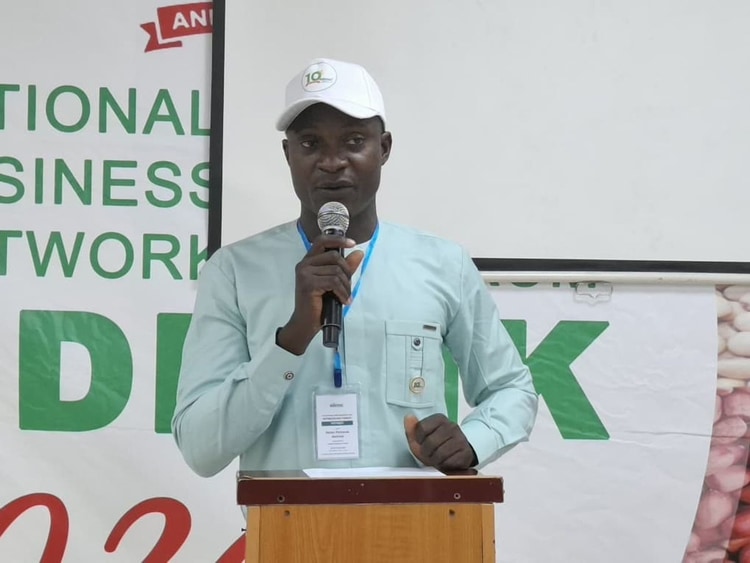
NASTAG president Seidu Mubarak Abdullah said an immediate ban on cereal imports could be difficult to implement, but a structured reduction in import volumes would help create a more sustainable market for locally produced grains.
He said persistent difficulties in selling farm produce are weakening farmers’ capacity to recover their investments, repay loans and purchase improved seeds for subsequent planting seasons, threatening the country’s seed industry and broader agricultural value chain’s
viability. “We know it will be difficult to have a one-stop ban of cereals, but we are urging government to bring in a strategy or plan that will continuously reduce the numbers we are importing,” he said.
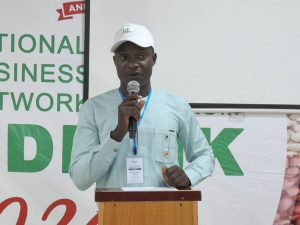
He said this at SEEDLINK 2026 – the 7th Ghana Seed Business Forum which marked the National Seed Trade Association of Ghana’s 10th anniversary. Mr. Abdullah argued that continued cereal imports, alongside difficulties in disposing of locally produced grains, are undermining domestic production and discouraging investment in improved seeds. He warned that unless market access improves, farmers could reduce production while seed companies would face declining demand and mounting financial losses.
Mr. Abdullah argued that continued cereal imports, alongside difficulties in disposing of locally produced grains, are undermining domestic production and discouraging investment in improved seeds. He warned that unless market access improves, farmers could reduce production while seed companies would face declining demand and mounting financial losses.
He cited the case of a seed company that disposed of seeds worth more than GHC 7 million for less than GHc1million, resulting in losses exceeding GHc 6 Million.
The situation, he said is also affecting agricultural financing as farmers who cannot sell their produce struggle to service loans. He pointed of Bank of Ghana data indicating significant non-performing loans in the agriculture sector, underscoring the financial risks associated with weak market access.
Some agribusinesses, he added, have been forced to downsize or close – with implications for employment, investment and sustainability of the domestic agricultural value chain.
Import dependence
Mr. Abdullah warned that continued reliance on imported food commodities exposes the country to supply disruptions and threatens national food security. “We cannot continue to depend on imports. We cannot continue relying on other countries. What if tomorrow we are not able to get the imports from these other countries?” he asked.
He said strengthening domestic production requires more than reducing imports, calling for interventions that enable farmers to access markets, recover production costs and reinvest in farming.
He also called for lifting restrictions on soybean exports, arguing that policies should support agricultural value chains and improve commercial opportunities for local producers.
National Seed Council
Similarly, chairman of the National Seed Council Alhaji Abubakari Mumuni has called for stronger support to locally produced seeds, stressing that access to quality planting materials at affordable prices is critical for agricultural productivity and food security.
Mr. Mumuni, who is also Managing Director-PBC Shea Ltd., described a strong seed industry as a national economic priority underpinning farmer productivity, agribusiness investment and job creation.
“We can invest in land, irrigation, machinery and processing facilities, but without access to quality seed at the right time and at an affordable price, our ambitions for agricultural transformation will remain stagnant,” he said
He also raised concerns about the importation of planting materials whose sources cannot be verified, emphasising the need to strengthen domestic seed production and ensure that farmers receive quality seeds
He said government, through the Feed Ghana Programme, continues to procure and supply quality seeds to farmers – underscoring the importance of locally produced varieties.
The chairman further called for compliance with seed production and distribution regulations, warning against the sale of seeds as certified varieties without the required quality assurance. He said the National Seed Council is engaging national security agencies to address the sale of seeds with questionable quality and untraceable planting materials.
Input support, policy reforms
The NASTAG president advocated reintroduction of universal subsidies for fertiliser and seeds to reduce production costs and improve farmers’ access to essential inputs.
He further urged stronger collaboration among government, seed companies, farmers and other industry stakeholders under the Feed Ghana programme to address constraints across the agricultural value chain.
Beyond market access and input costs, Mr. Abdullah called for a review of the National Seed Policy – last reviewed in 2018 – and the Plants and Fertiliser Act, 2010 (Act 803) to reflect developments in biotechnology, climate change and agricultural technology.
He said an updated policy and regulatory framework will help the seed industry respond to emerging production challenges and support improvements in agricultural productivity.
These concerns come as NASTAG marks its 10th anniversary alongside the seventh annual Seed Link Forum, organised in collaboration with the National Seed Council and Ministry of Food and Agriculture.
The forum seeks to identify interventions, promote policy advocacy and strengthen the country’s seed system.
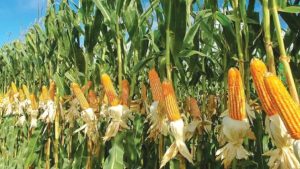
The proposed phased reduction of rice and maize imports – together with improved market access, input support and regulatory reforms – forms part of a broader call to make domestic agriculture more competitive and resilient.
Source:https://thebftonline.com/